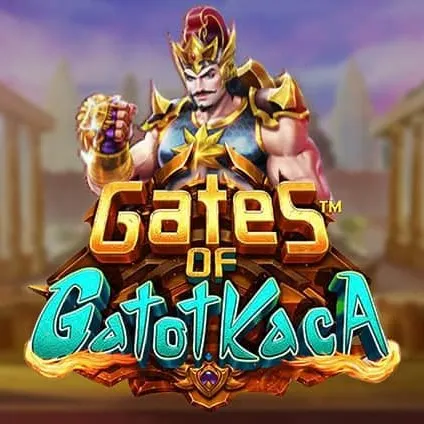
Permainan slot tidak hanya tentang putaran dan kemenangan. Lebih dari itu, desain yang kuat bisa membawa pemain masuk ke dalam dunia baru. Salah satunya adalah Gates of Gatotkaca, sebuah slot yang mengangkat legenda pewayangan Jawa dengan sentuhan modern.
Dari Wayang ke Gulungan Slot
Gatotkaca, sang ksatria bersayap, adalah tokoh Mahabharata yang sangat dihormati dalam budaya Jawa. Kekuatannya, kesetiaannya, dan tragisnya kematiannya membuatnya menjadi simbol keberanian. Dalam Gates of Gatotkaca, karakter ini tidak hanya jadi ikon, tapi juga inti dari pengalaman bermain.
Setiap simbol di slot ini dirancang dengan makna mendalam. Mulai dari senjata Kuku Pancanaka hingga pusaka Jamus Kalimasada, semuanya merujuk pada kisah asli. Bahkan, animasi dan efek suara dibangun untuk menciptakan nuansa epik layaknya pertunjukan wayang.
Mitologi Sebagai Daya Tarik Visual
Tidak hanya sebagai hiasan, mitologi dalam slot ini berfungsi sebagai alat naratif. Misalnya, fitur bonus sering kali terinspirasi dari momen penting dalam kisah Gatotkaca, seperti pertempurannya melawan musuh-musuh besar.
Desain grafis yang detail juga memperkuat tema. Latar belakang yang gelap dengan kilau emas mengingatkan pada suasana kerajaan Hastinapura, sementara simbol-simbol kecil seperti keris dan bunga wijaya kusuma menambah kedalaman cerita.
Mengapa Mitologi Masih Relevan di Slot Modern?
Pemain tidak hanya mencari kemenangan, tapi juga pengalaman. Dengan menggunakan cerita yang sudah dikenal, Gates of Gatotkaca memberikan rasa familiar sekaligus kejutan baru. Selain itu, mitologi Jawa yang kaya memberi lapisan makna tambahan yang sulit ditemukan di slot bertema biasa.
Faktanya, banyak pemain mengaku lebih terhubung dengan permainan yang memiliki cerita kuat. Ini membuktikan bahwa elemen budaya tidak hanya memperindah, tapi juga memperkuat engagement di x gaming y.
Lebih Dari Sekadar Permainan
Gates of Gatotkaca adalah bukti bahwa slot modern bisa menjadi medium pelestarian budaya. Dengan menggabungkan desain canggih dan cerita klasik, permainan ini berhasil menciptakan pengalaman unik.
Bagi penggemar slot, ini adalah kesempatan untuk merasakan petualangan epik. Bagi pecinta budaya, ini adalah penghormatan indah pada salah satu legenda terbesar Jawa.
Jadi, lain kali Anda memutar gulungan, ingatlah bahwa di balik grafis yang memukau, ada kisah abadi Gatotkaca yang terus hidup.